Connecting – today and beyond
Connecting – today and beyond
English

Search
Products
Providing rail commuters and staff with efficient train-to-ground communication
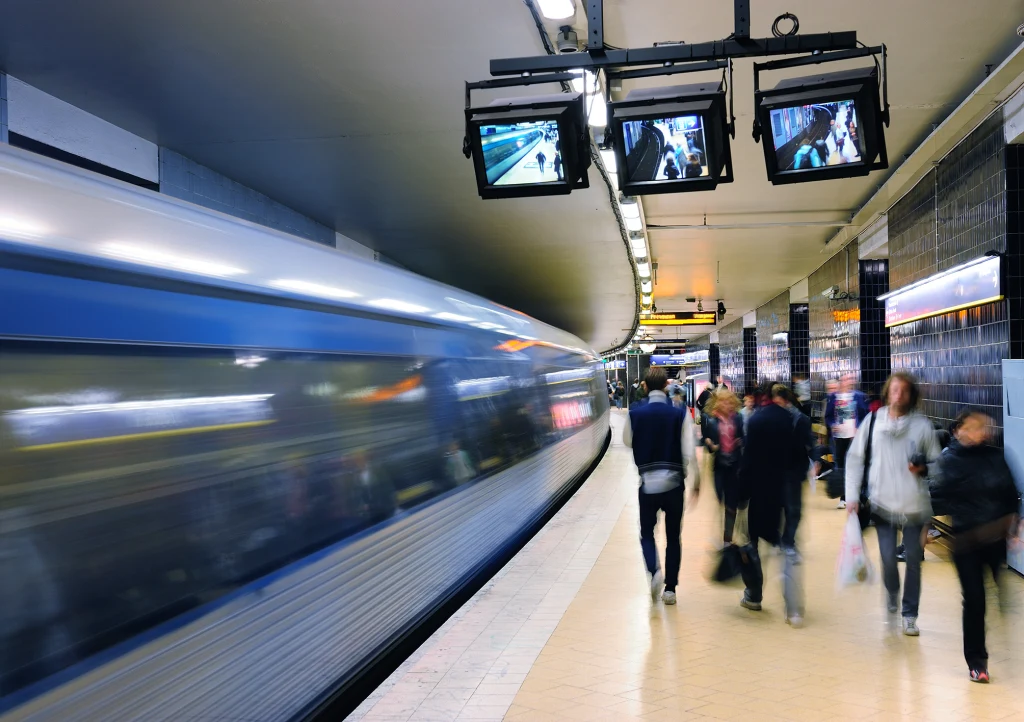
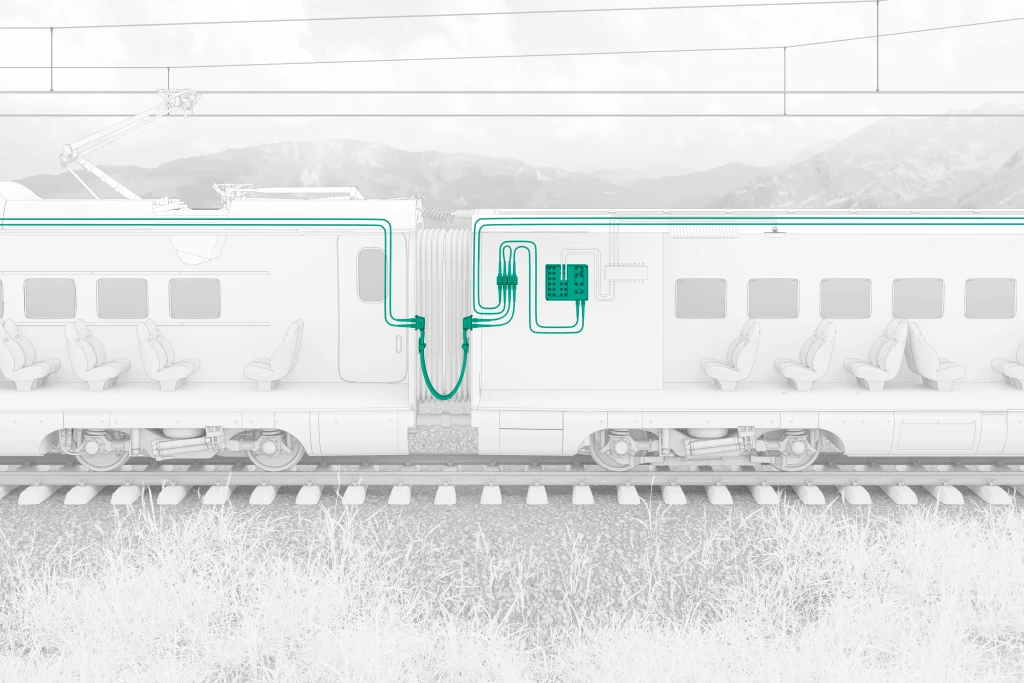
The use of fiber optic (FO) technology within railway operations has increased in line with the rising demand for high bandwidth services on train, in station and along the trackside. On top of increasing requirements of operators and passengers, rail networks need to be able to manage the rising demand for high bandwidth services such as Close-Circuit Television (CCTV), in-carriage Wi-Fi connectivity, Communications-based train control (CBTC), and Autonomous Train Control (ATC).
Whether it’s passengers streaming digital content or train drivers using global positioning systems (GPS) to help synchronise track positioning, wireless communication remains an integral part of rail transportation. Reliable communication systems play a crucial role in ensuring safe and efficient rail operations.
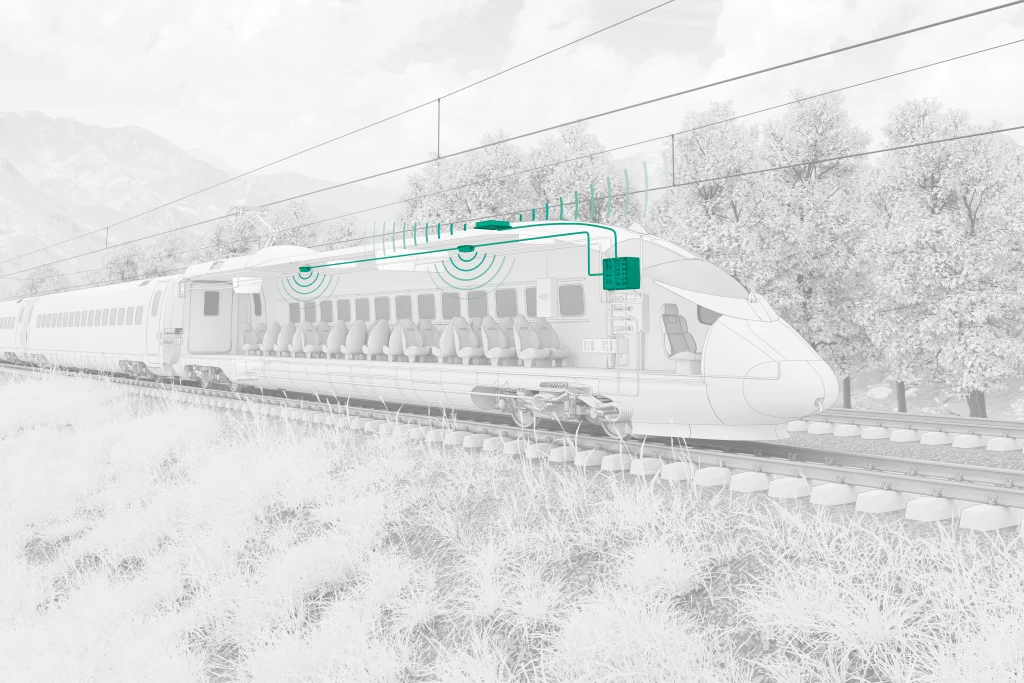
Antennas that send connection through the roof
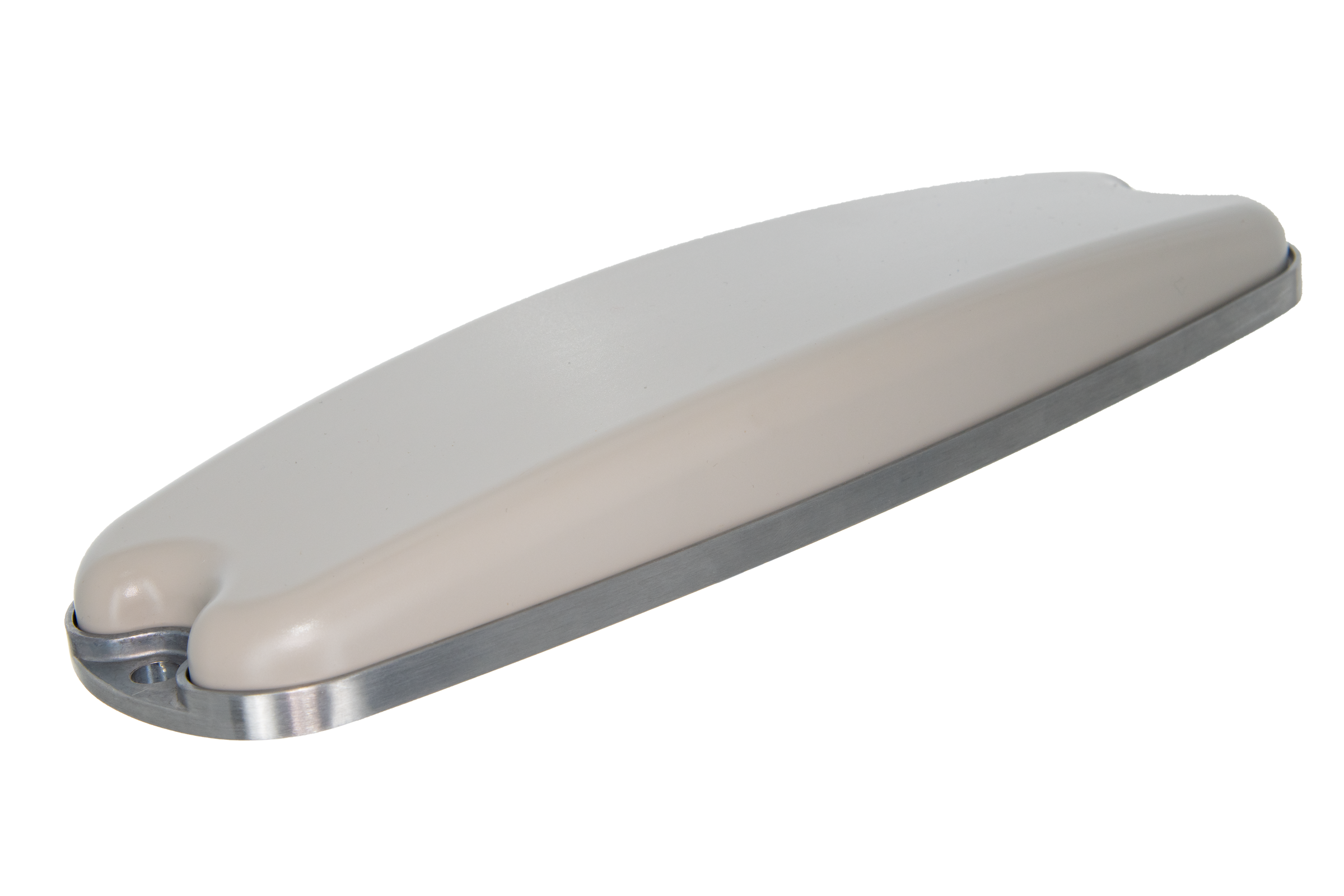
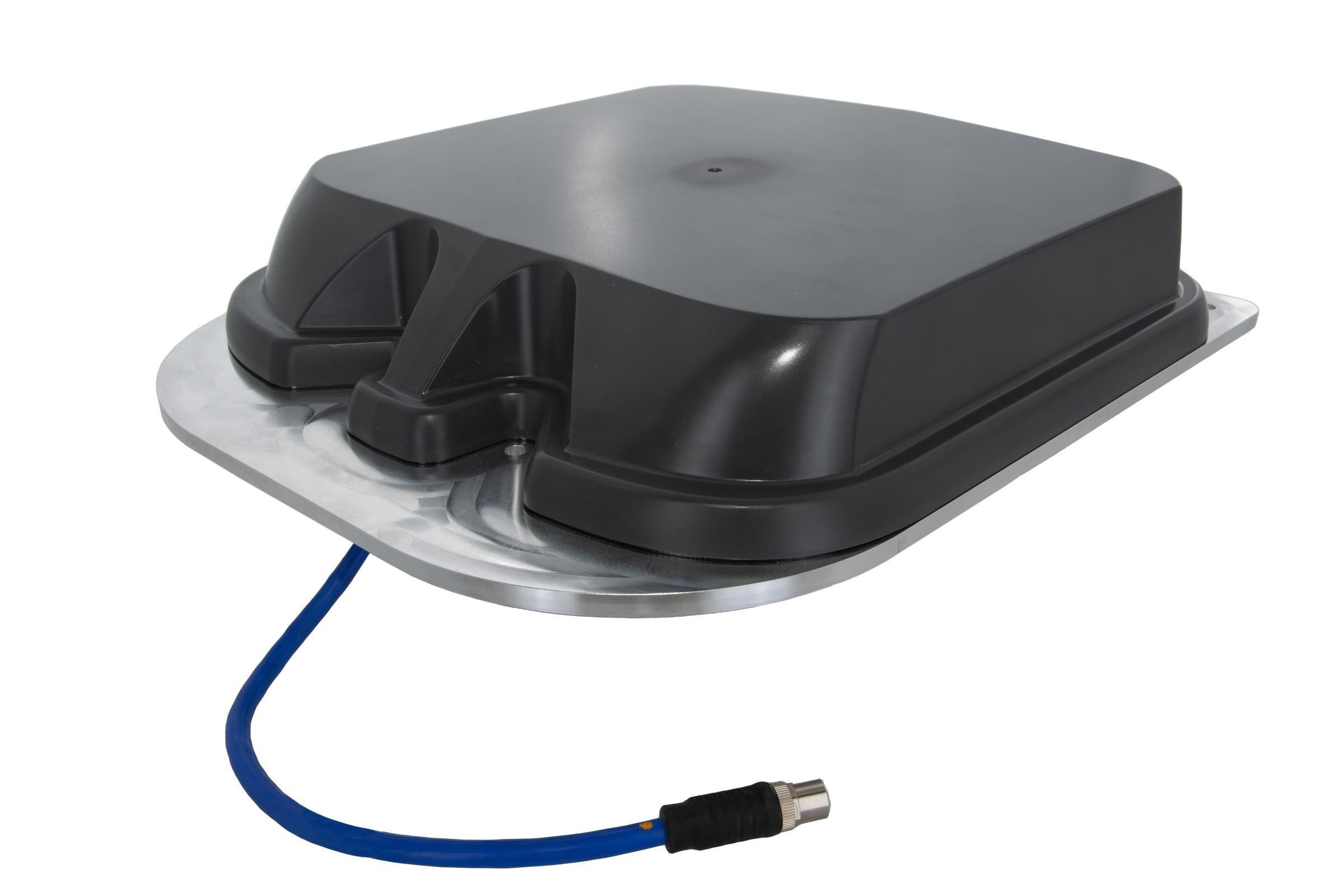
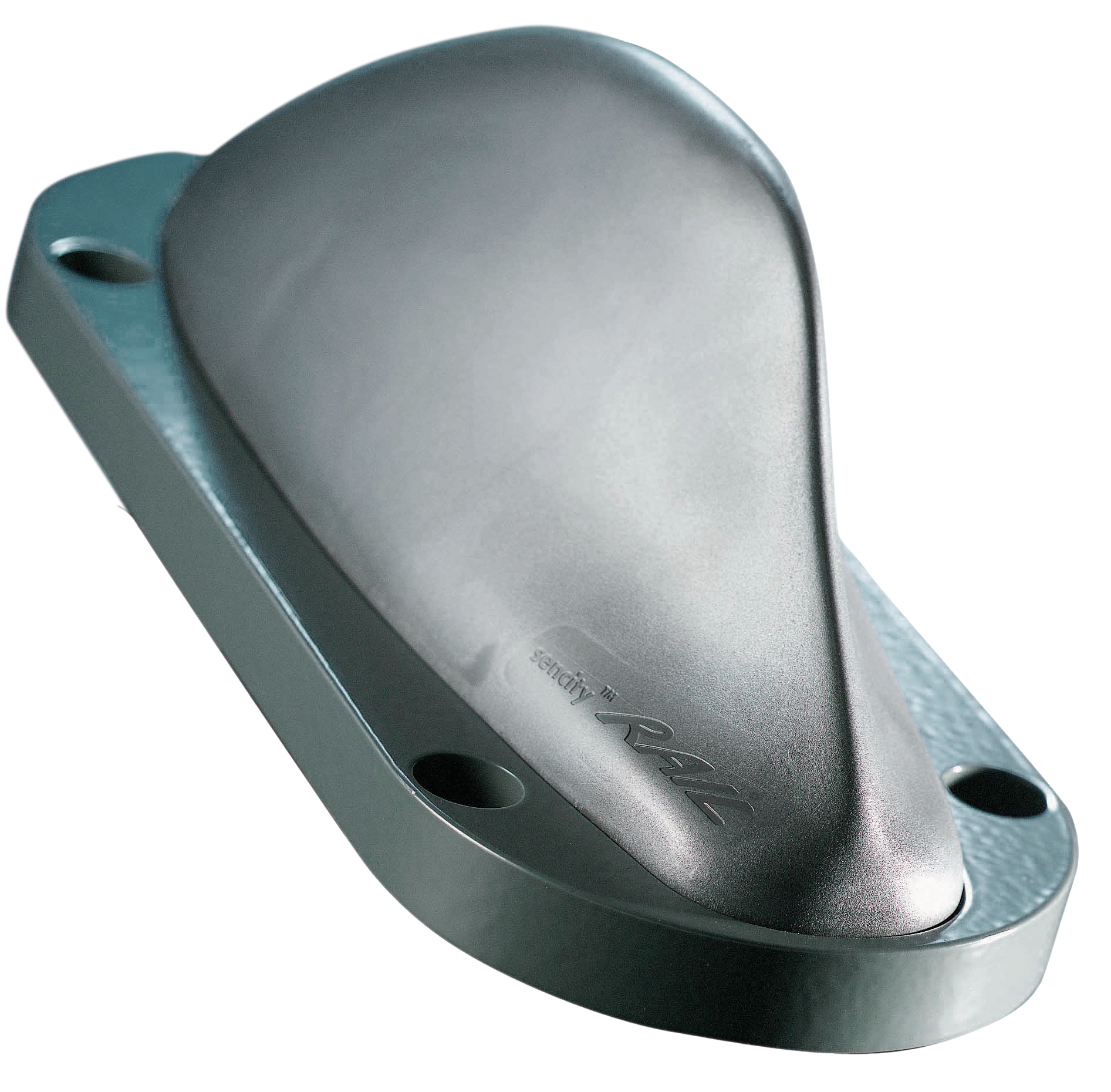
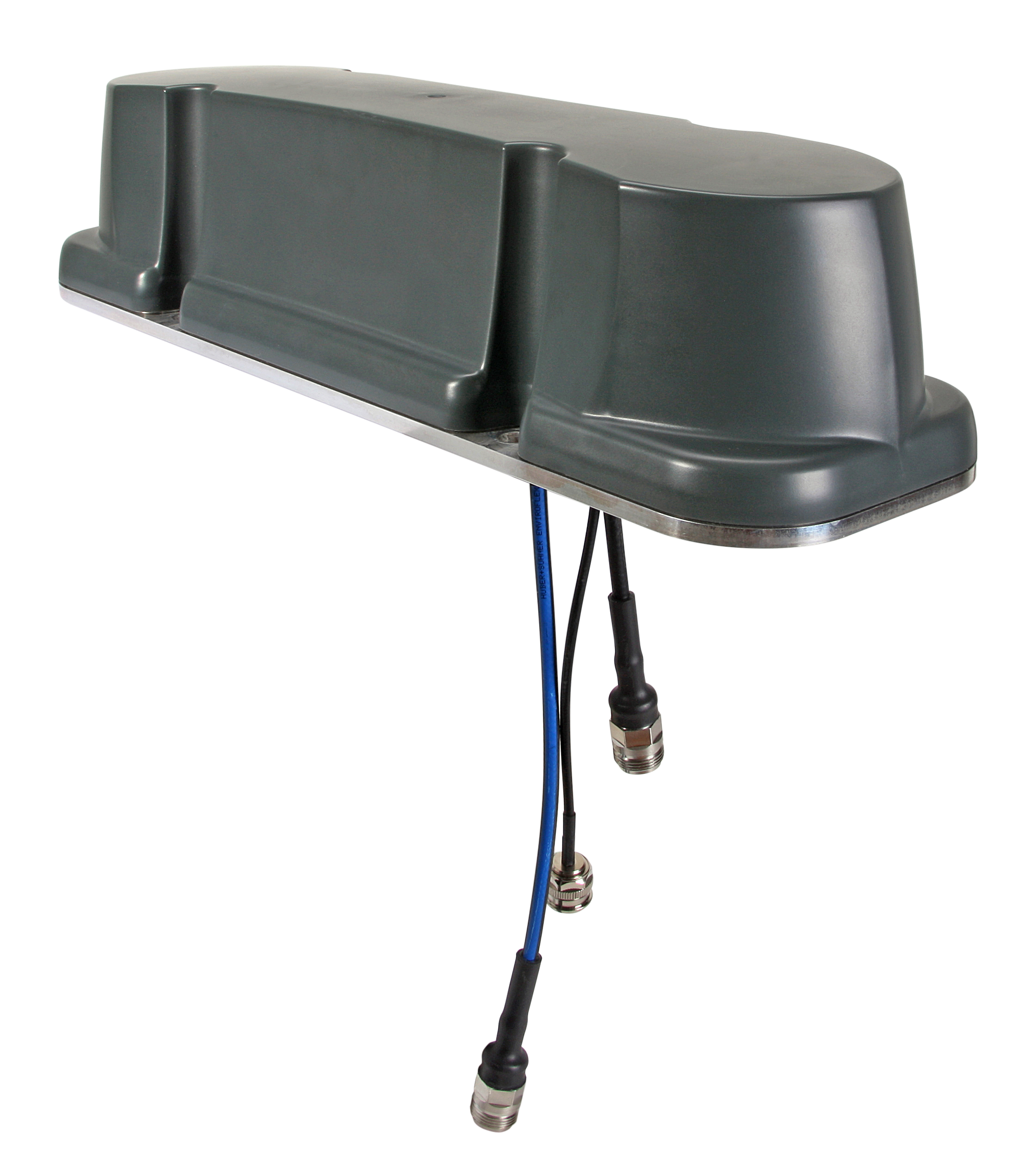
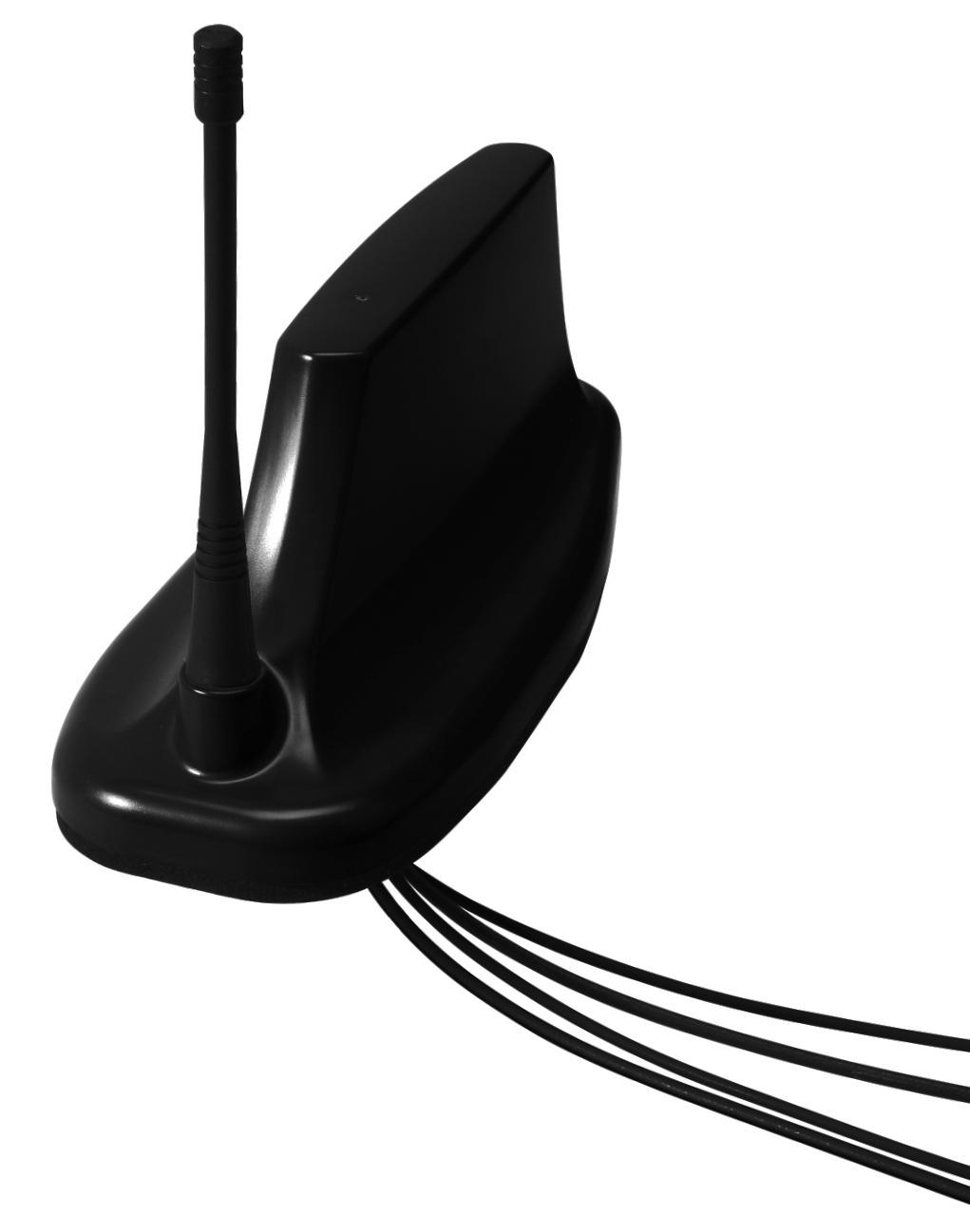
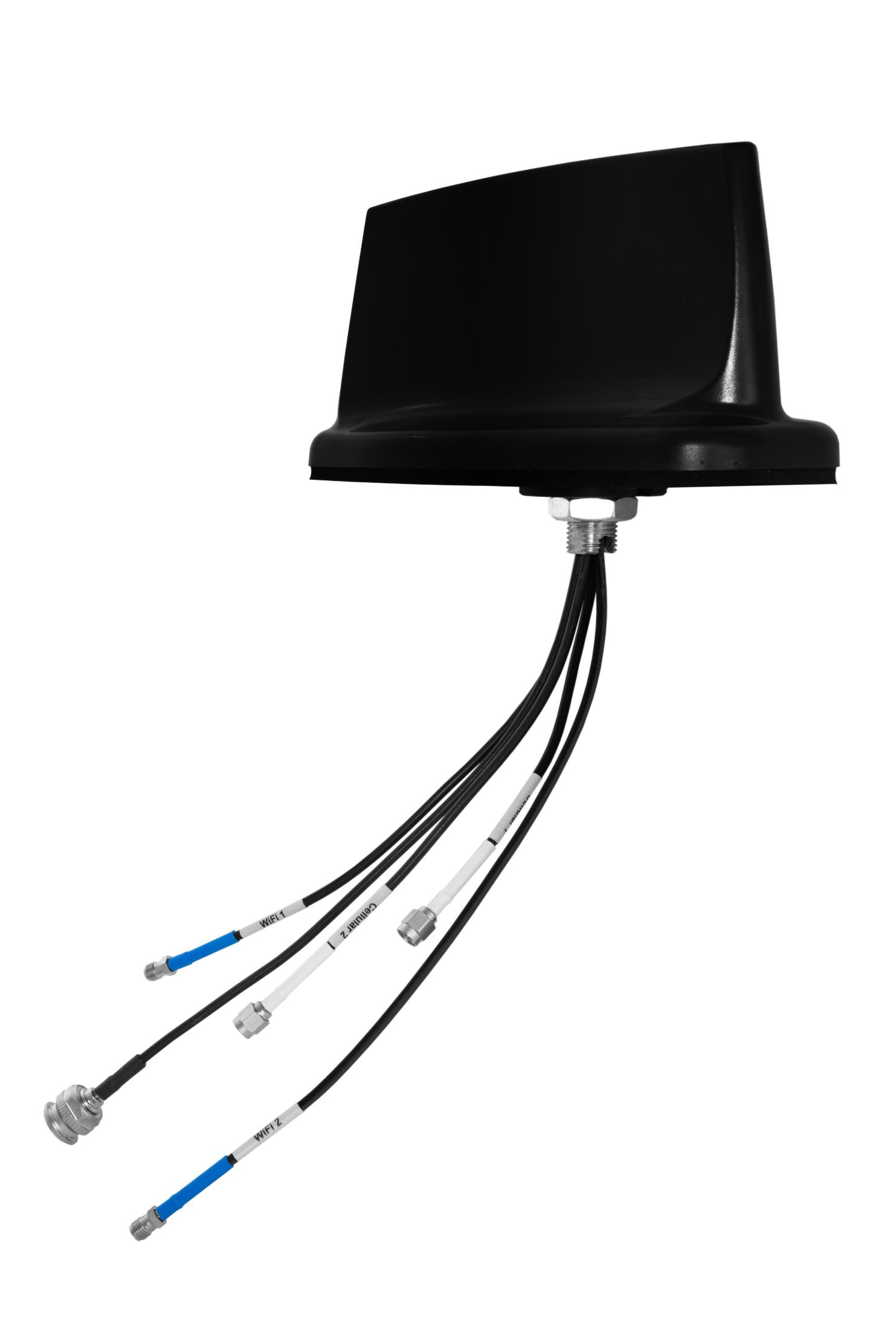
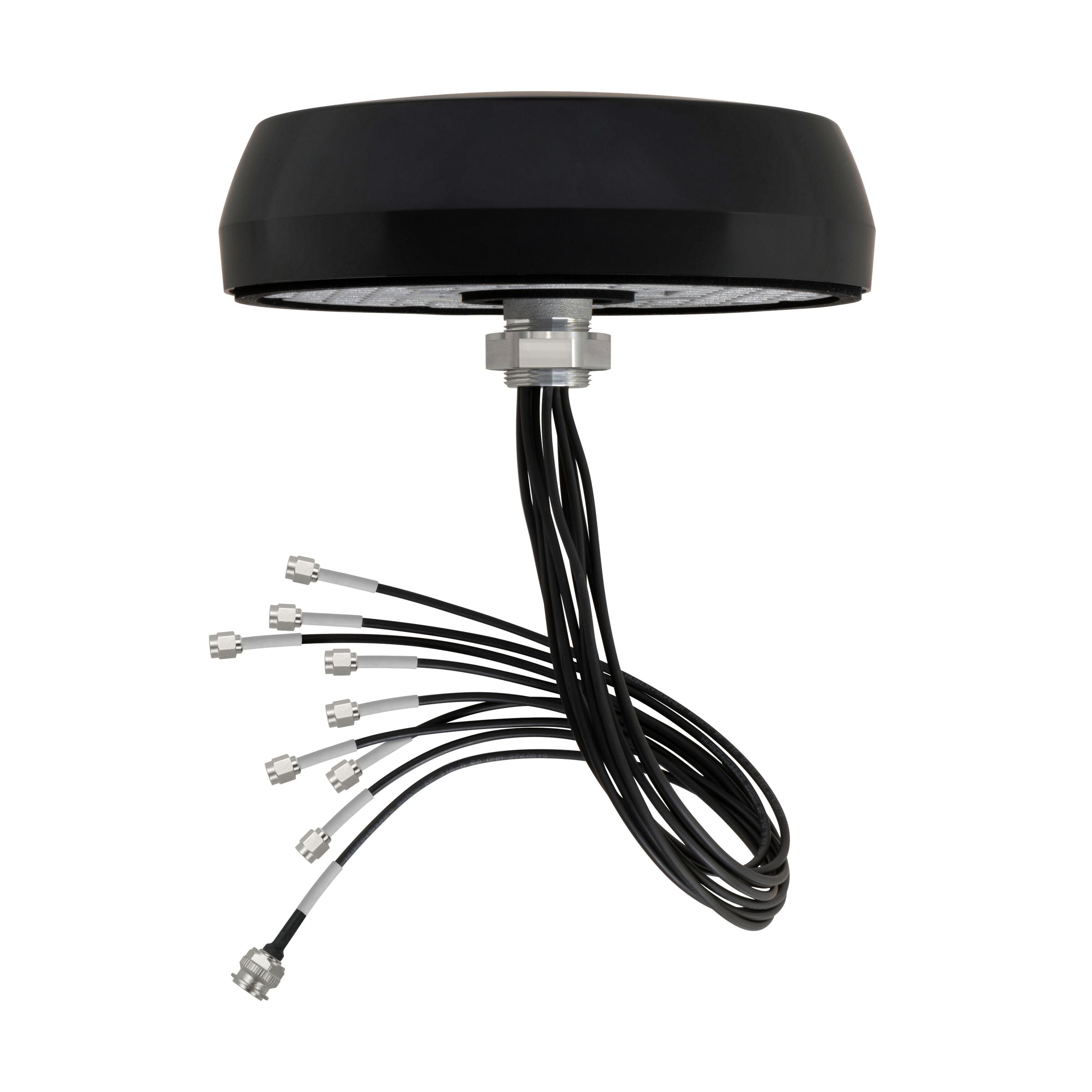
For rail operators to maintain seamless wireless connectivity, rooftop antennas must adhere to stringent operation requirements and are often exposed to severely harsh environmental conditions. HUBER+SUHNER continues to be at the forefront of rail antenna innovation and have developed a range of solutions to meet operational requirements in the rail industry.
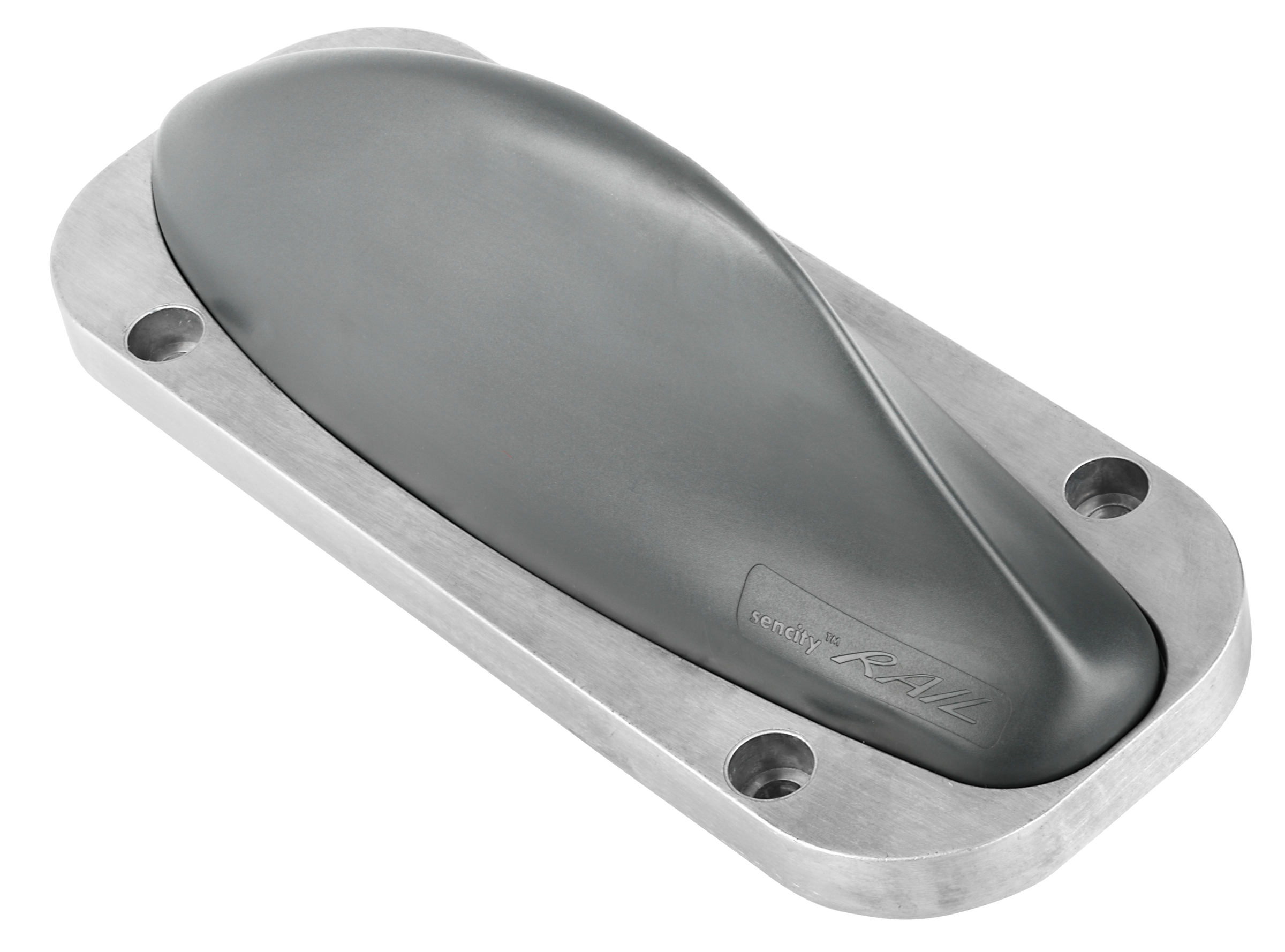
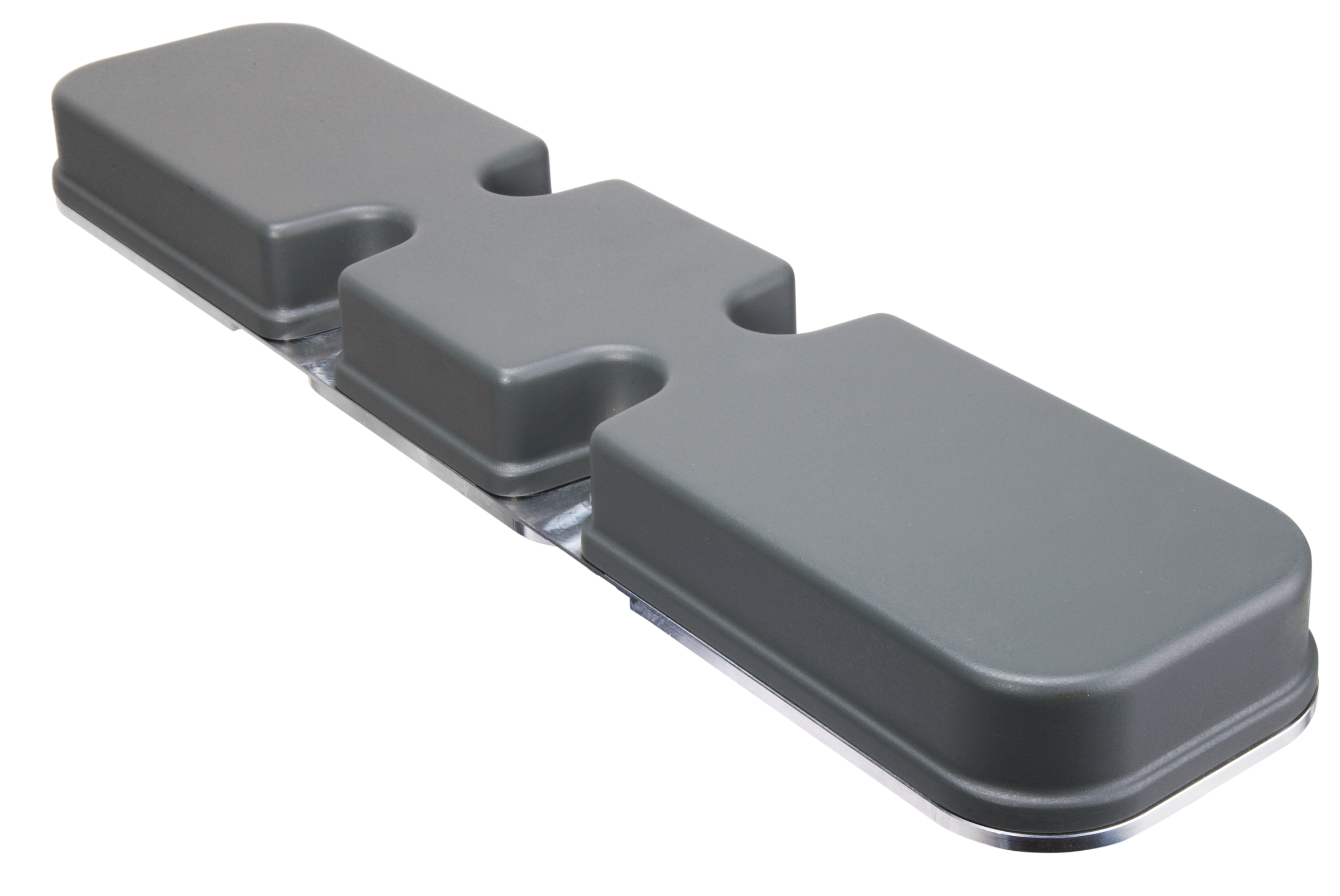
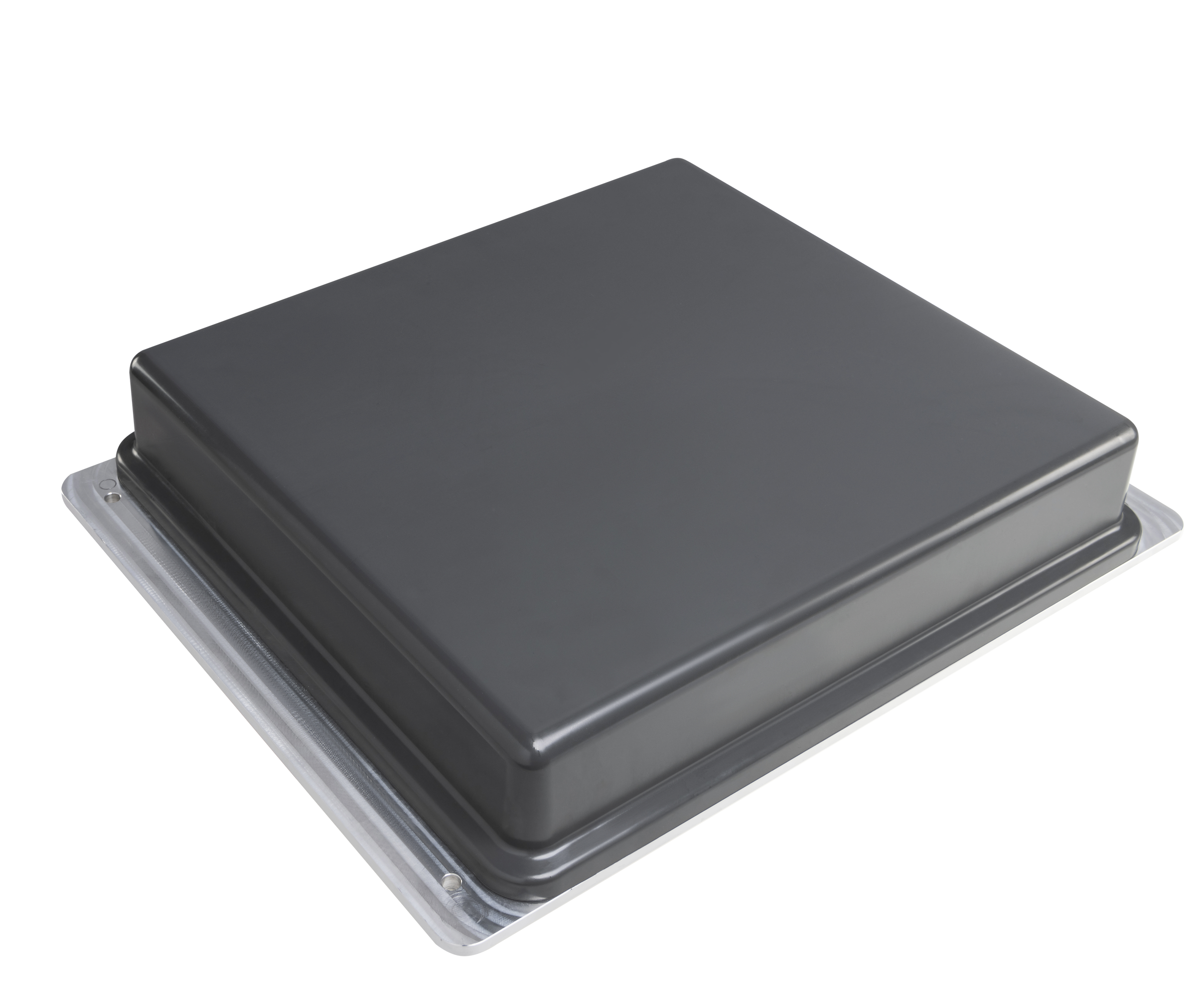
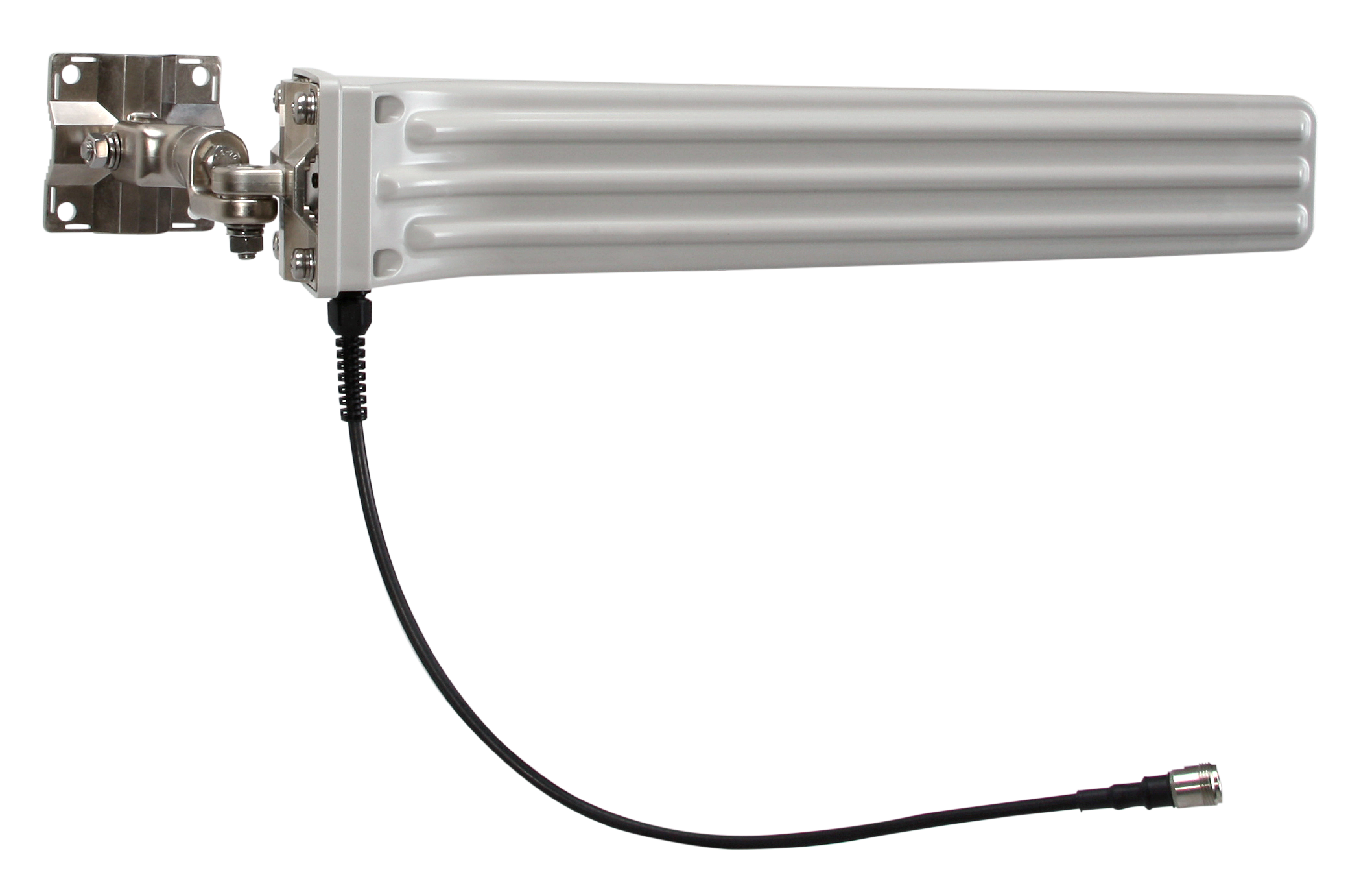
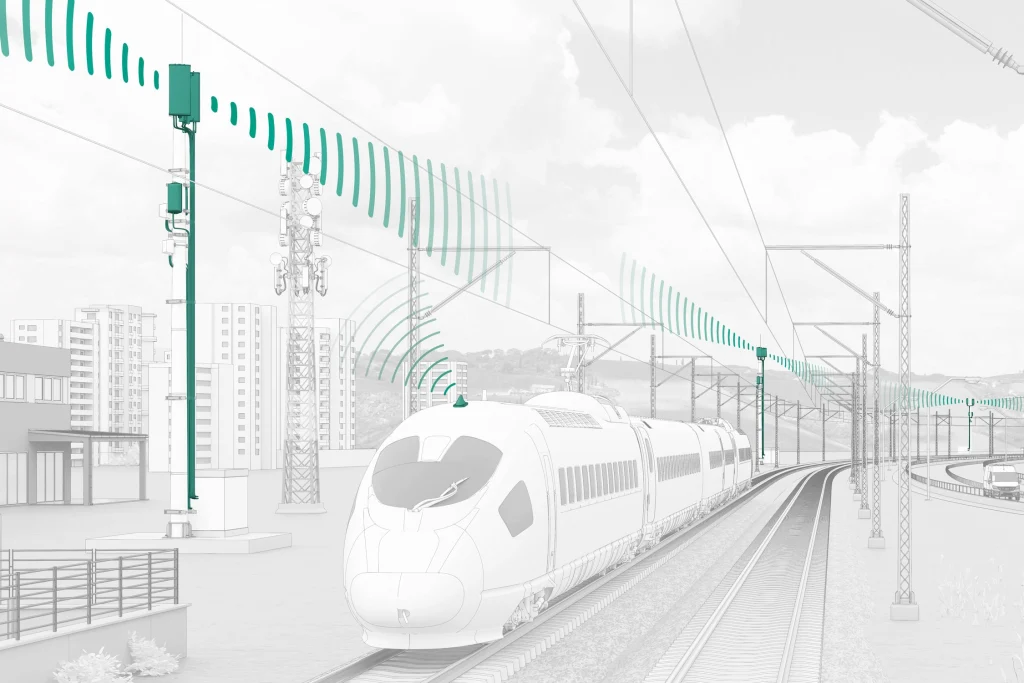
Dedicated Wi-Fi networks are being built alongside tracks to provide reliable wireless broadband networks between trains, stations and along the trackside, ensuring a robust connection to the train. The SENCITY® Rail Rooftop Antenna portfolio, including the SENCITY® Rail ACTIVE Rooftop Antenna, has been developed in accordance with this to enable a reliable onboard Wi-Fi connection. Various Wi-Fi access points are reached by converting Wi-Fi signals via a rooftop antenna using a communication gateway and are delivered as an Ethernet signal. Whilst SENCITY® SPOT-S and SPOT-M trackside antennas offer a directional antenna that supports Wi-Fi 2.4 GHz or 5 GHz bands and trackside applications.
Keeping trains on track with innovation and digitalisation
Train-to-ground applications in metro, underground, intercity and regional railways rely on communication-based train control (CBTC) and other important digital systems to maintain the smooth running of operations. However, all of them require different methods of train control to ensure this.
Metros and undergrounds, also known as local urban systems, use CBTC to condense transportation cycles and increase track capacity, whilst ensuring that trains are operated safely, flexibly and at low cost. Yet, for data to be exchanged between Automatic Train Control (ATC) and components installed within the train and along the track there must be an accurate data communication system. This system must be able to operate on a reliable WLAN Network to ensure that each individual component functions correctly regardless of environmental, mechanical, or operational restrictions.
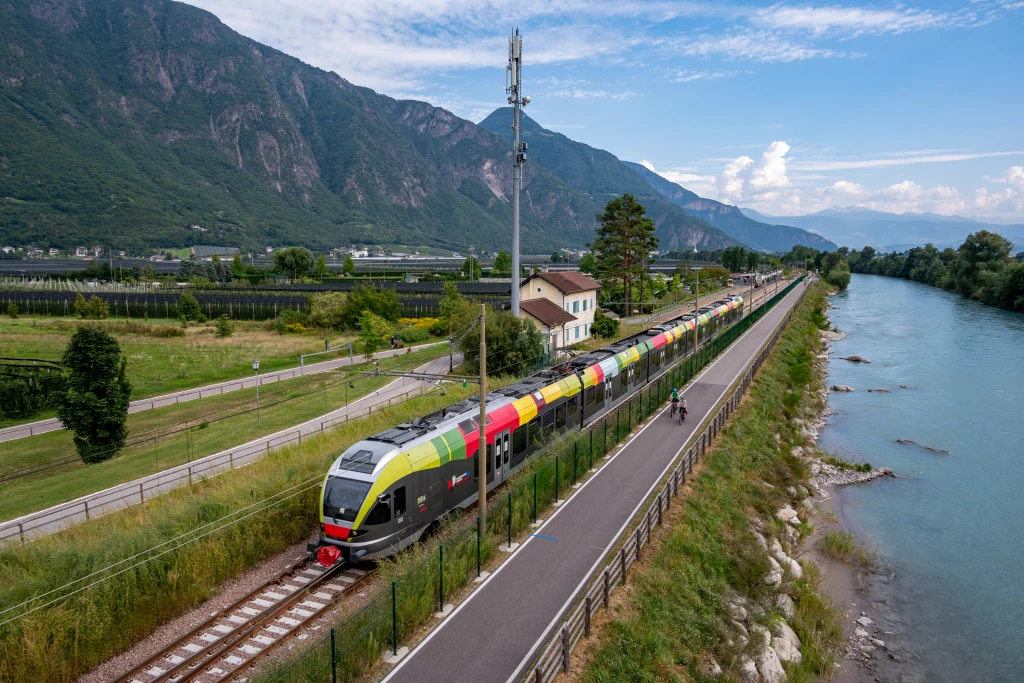
HUBER+SUHNER is leading the way in the installation of Wi-Fi trackside-based infrastructure for use in metropolitan and underground railway networks for CBTC, but this can also be used for high-speed data transfer between train and track for on-board internet access and CCTV.
Regional and intercity transport operate using a European transnational train safety system – the European Rail Traffic Management System (ERTMS). Comprising of two main technical components, with the first being a digital train control system called the European Train Control System (ETCS) that will replace a wide range of incompatible, national train control systems in the future. ETCS is supported by use of global position system (GPS) to determine the train’s exact positioning when in service and help synchronise timings in applications. Whilst the second component, a system for mobile communication known as GSM-R enables data transmission between tracks and vehicles.
Both solutions increase safety and ensure seamless rail traffic by making better use of the tracks due to dense, high speed and cross-border train control on intercity routes. The wireless connections for regional and intercity transport work using mobile communications technology. Rail operators are now building separate GSM-R mobile communication cells along tracks for this purpose, with HUBER+SUHNER also providing an extensive portfolio of industry-leading solutions to this end.
Related blogs


Get in touch
Do you have questions?
We will gladly assist you. Send us a message or find your local contact:
Contact formGo to contact form
Locations worldwideSee locations