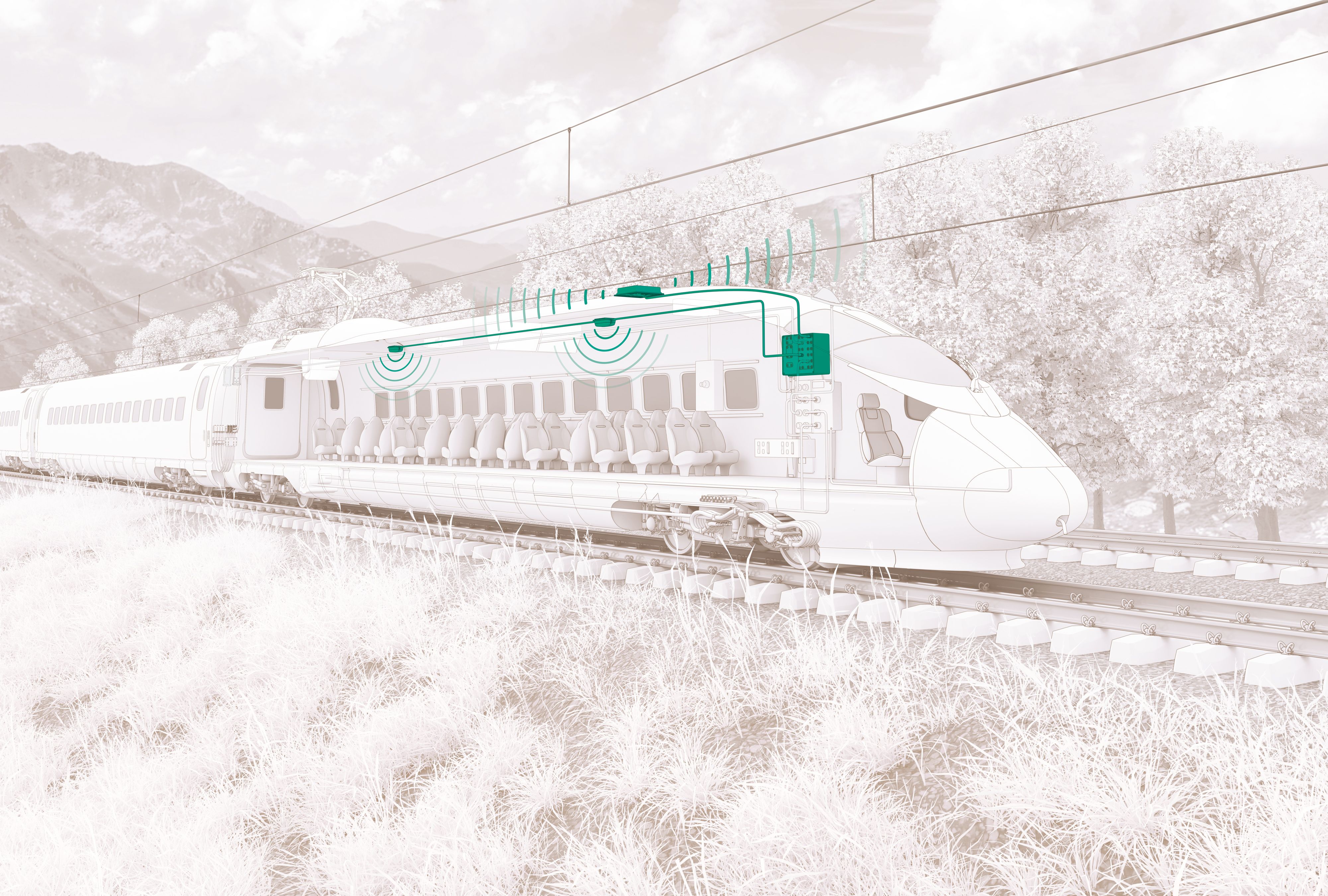
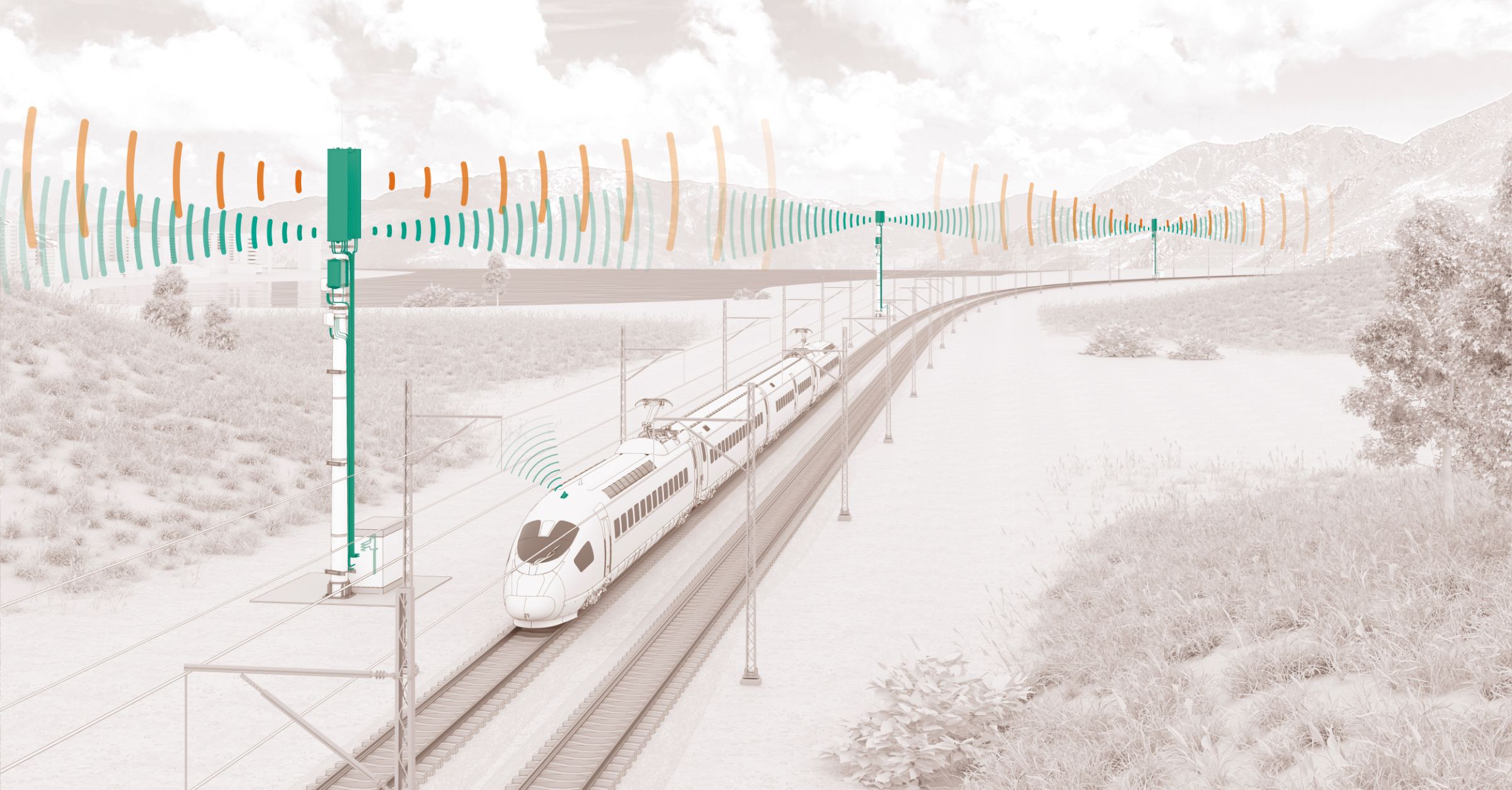
However, upgrading trains for ETCS involves far more than installing new onboard equipment. A full integration of systems will be required, especially across the cab and surrounding areas where tight and irregular spaces can often be found. Drivers will need a modernised human-machine interface with dedicated ETCS/ATO controls, isolation switches and in-cab displays, while electrical upgrades introduce new I/O modules, safe bus changes, communication gateways and links to safety-critical functions like emergency braking and speed-sensor inputs.
Power supply and battery management enhancements will also be essential to support the increased system load and to prepare for future capabilities like ATO.
This work has to begin with a precise understanding of the train’s existing electrical and physical layout, which may not already be fully documented. At the same time, multiple rounds of co-design between the harness supplier and installer are needed to confirm project feasibility, validate connection points and ensure compliance with standards like EN45545. Engineers must also manage detailed design tracking and Bill of Materials (BOM) control when selecting the right low frequency (LF) and radio frequency (RF) cabling solutions, earth connections and routing paths across the train.