Connecting – today and beyond
HUBER+SUHNER logo in blue

Lightening the load: How smarter cable selection can help reduce topside weight in offshore projects


Written by 

Frank Thorn

VP Market Mgmt Process Industries

In offshore environments such as oil rigs, FPSOs, fixed platforms and HVDC installations, every kilogram of weight matters. These environments all operate within strict topside weight restrictions, where any added mass can affect structural design, installation complexity, payload availability and long-term operational flexibility.


Yet there is one contributor to weight that is often considered too late in the design process: cabling. In large offshore projects, engineers and designers typically prioritise large structures, process modules and critical equipment during weight optimisation, while cable systems are treated as more of a fixed commodity. Across hundreds of thousands of metres of instrumentation, control and communication cabling, that assumption can leave a significant opportunity untouched.

offshore platform 1190948706
Offshore oil and gas platforms
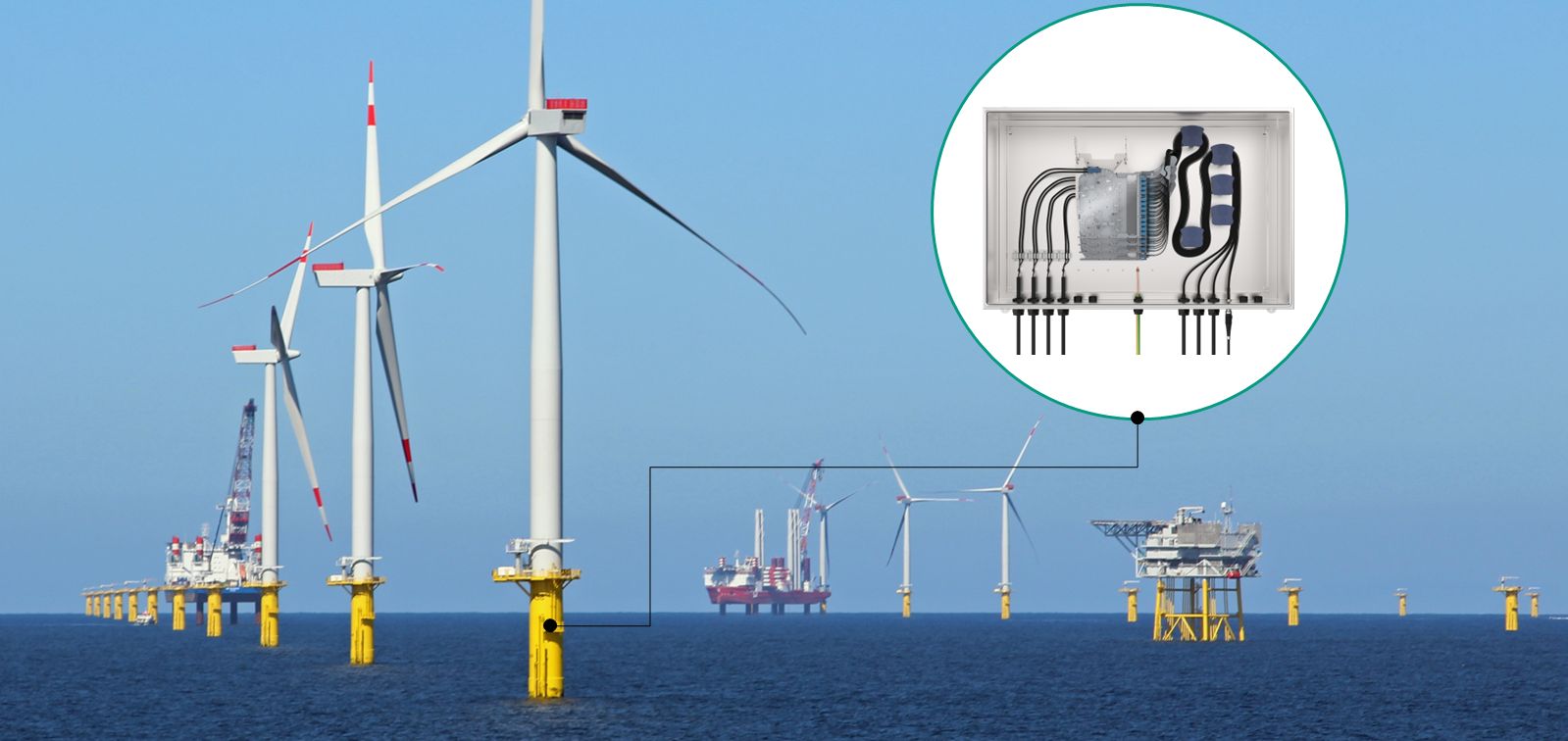
Offshore Wind Farm and Energy Platform in Open Sea.
Offshore HVDC platforms

Why cable weight deserves earlier attention

When viewed individually, cables can admittedly, rarely look like a significant weight driver. However, the challenge is cumulative. With long routing distances, repeated cable runs and supporting infrastructure, there is an added load to consider, especially where trays, brackets and steelwork need to be sized around the installed cable package.


By assessing cable weight during FEED and detailed engineering, teams can identify lighter cable constructions before tray layouts, support structures and routing decisions are locked in. This makes cable selection a practical optimisation lever, rather than a late-stage procurement choice.

How to reduce weight without redesigning core systems


The logical starting point is not to replace engineering judgement with a lighter product specification. It is to quantify the installed cable package as part of the wider topside system. That means reviewing cable lengths, diameters, routing density, tray loading and support requirements alongside electrical performance, fire behaviour, mechanical robustness and offshore certification.


For large offshore projects, this can have a material impact. Across a large-scale project involving 300,000 to 500,000 metres of instrumentation cabling, a lighter cable design can reduce direct cable weight substantially. The secondary benefit is often just as important: lighter cables can also reduce the load carried by trays, supports and associated steelwork.


So,the key question engineers must ask is not only “how much does the cable weigh?” but “what does this cable choice we’ve made, do to the total installed system?”

View of FPSO oil rig, floating production, storage and offloading vessel used to explore the crude oil & gas under the seabed.
FPSOs (Floating Production, Storage and Offloading)

What the numbers can look like


The example below shows why cable weight should be considered as part of total topside design, not as an isolated component cost. Actual savings depend on cable type, routing, installation rules and project-specific load assumptions.


Weight impact across 500,000 metres of offshore instrumentation cables:


Metric
Standard Cable (Example)

RADOX® OFL®

Savings

Average weight per km
~500 kg
~300 kg

200 kg / km

Total Cable Weight

250 tonnes

150 tonnes
100 tonnes saved
Estimated Steel Saving

Not applicable

Not applicable

Approximately 200 to 300 tonnes

How RADOX® OFL® weighs in 

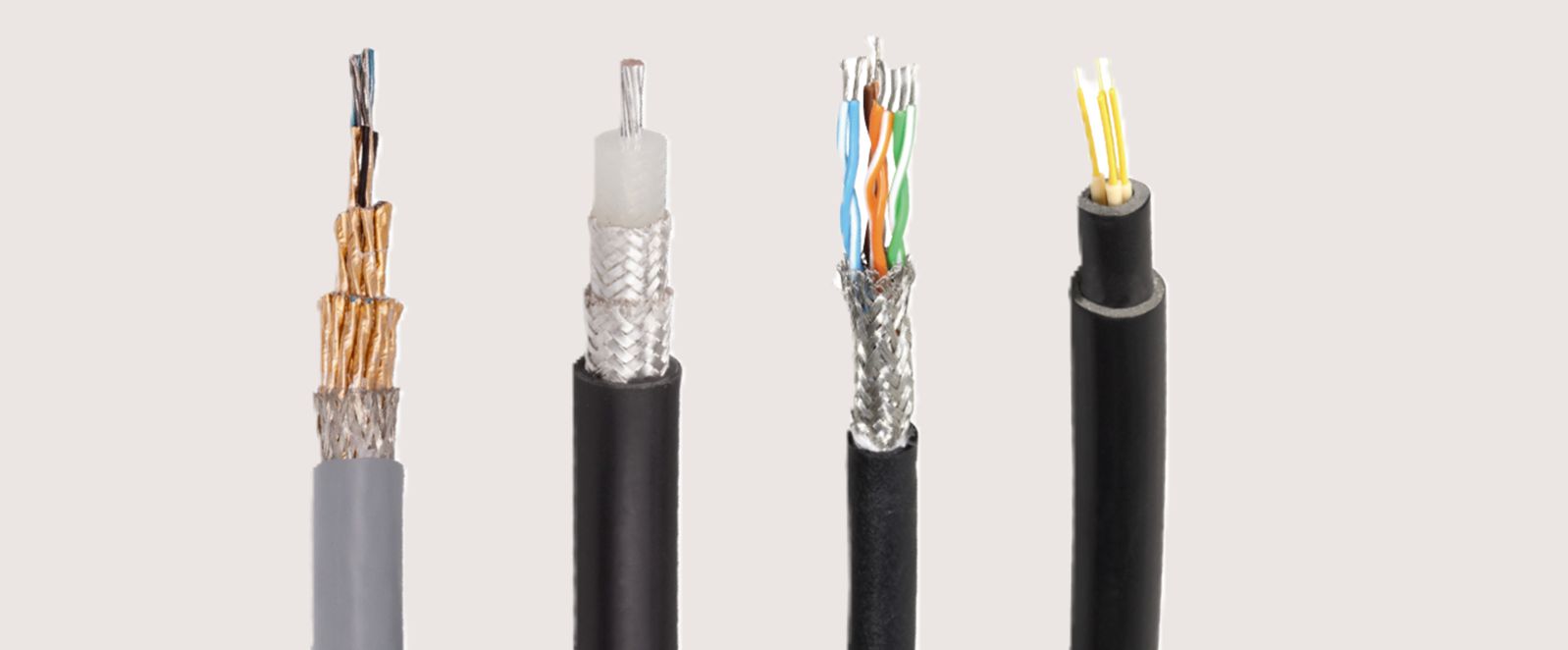
RADOX OFL cables from HUBER+SUHNER can play a significant role in projects where weight, space, installation efficiency and long-term durability all need to be considered together. Their thin-wall, high-performance insulation and sheath construction is designed for harsh offshore environments while helping reduce cable size and weight compared with conventional offshore cable designs. They 


  • weigh up to 60% lighter yet are up to 40% smaller in size, compared to conventional cables, addressing critical weight challenges 
  • consistently delivering robust performance across temperatures from -40°C to +130°C, offering 10-time longer lifetime at any conditions, even in steam boiler applications
  • are well-known for their superior resistance to oil, mud, and other harsh offshore conditions


RADOX OFL cables are fully certified under the IEC / DNV CP-0400 lightweight class programme, thanks to our renowned HUBER+SUHNER RADOX radiation (e-beam) cross-linking technology, which significantly enhances the mechanical strength of the cable sheath.

HS LF OFL 150/250V Fire resistant
RADOX OFL lightweight offshore cables

RADOX OFL versus BFOU on actual cable tray (10 x 1 pair)


Comparison of conventional cables and RADOX® OFL cables on a cable tray, showing up to 60% weight reduction through a lighter cable design.
Reduced up to 60% weight
RADOX® OFL cables achieve up to 40% smaller dimensions, helping save space in cable tray installations.
Up to 40% smaller size

For engineers, the value is not simply in choosing a lighter cable. It is in asking earlier whether cable construction can reduce total installed weight without compromising safety, reliability or compliance. In offshore projects where every kilogram has a knock-on effect, that question is worth bringing into the design discussion sooner.

Get in touch

Do you have questions?

We will gladly assist you. Send us a message or find your local contact:

languageLocations worldwide
See locations