Connecting – today and beyond
HUBER+SUHNER logo in blue

Beyond effortless routing: How MINIBEND® from HUBER+SUHNER redefines RF cable assembly design


Written by 

Kunal Rana

Product Manager CAB&CAY

As RF systems continue to evolve toward higher frequencies, tighter packaging, and more demanding operational environments, a persistent challenge that engineers face is routing high performance coaxial cable assemblies in increasingly constrained spaces without sacrificing electrical performance, reliability, or cost efficiency. We’ve previously explored how our MINIBEND® cable assemblies have helped engineers overcome these kinds of routing challenges. Let’s now take a closer look at how ‘bend to the end’ technology actually improves system performance, reduces lifecycle costs and supports high-reliability applications. 

Engineered to address real world needs


Designed for applications across aerospace, defense, and test & measurement, MINIBEND from HUBER+SUHNER reflects our deep heritage in high reliability RF interconnects, including proven space flight heritage, supporting the most demanding missions in operation today.


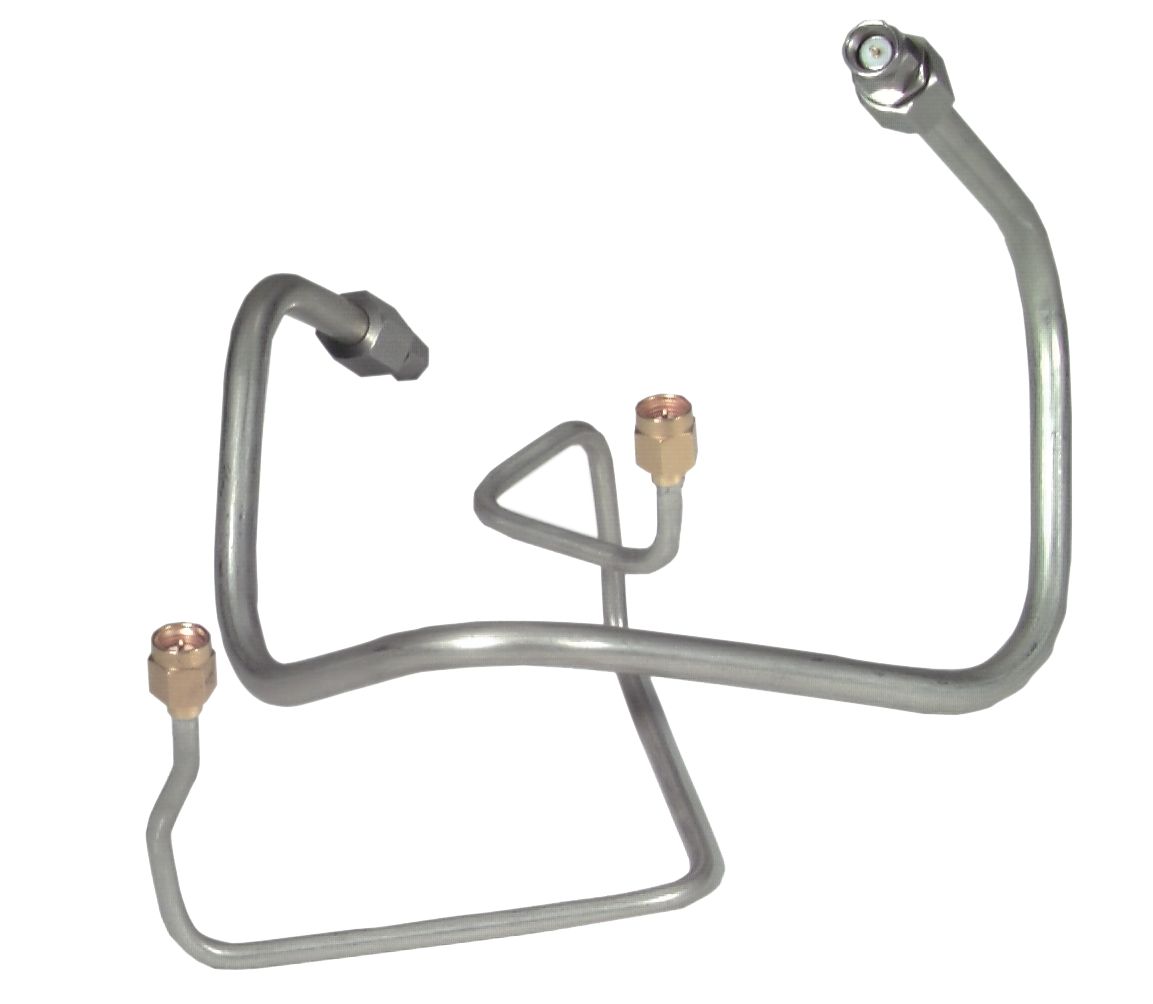
Traditional RF cable assemblies often force design compromises. While right angle or swept connectors are commonly used to manage tight routing, they add bulk, increase weight, degrade RF performance, and raise system costs. Semi rigid cables can certainly provide precise, stable routing where a fixed form is required, although installation flexibility and any additional care during rework should also be front of mind for engineers as well.


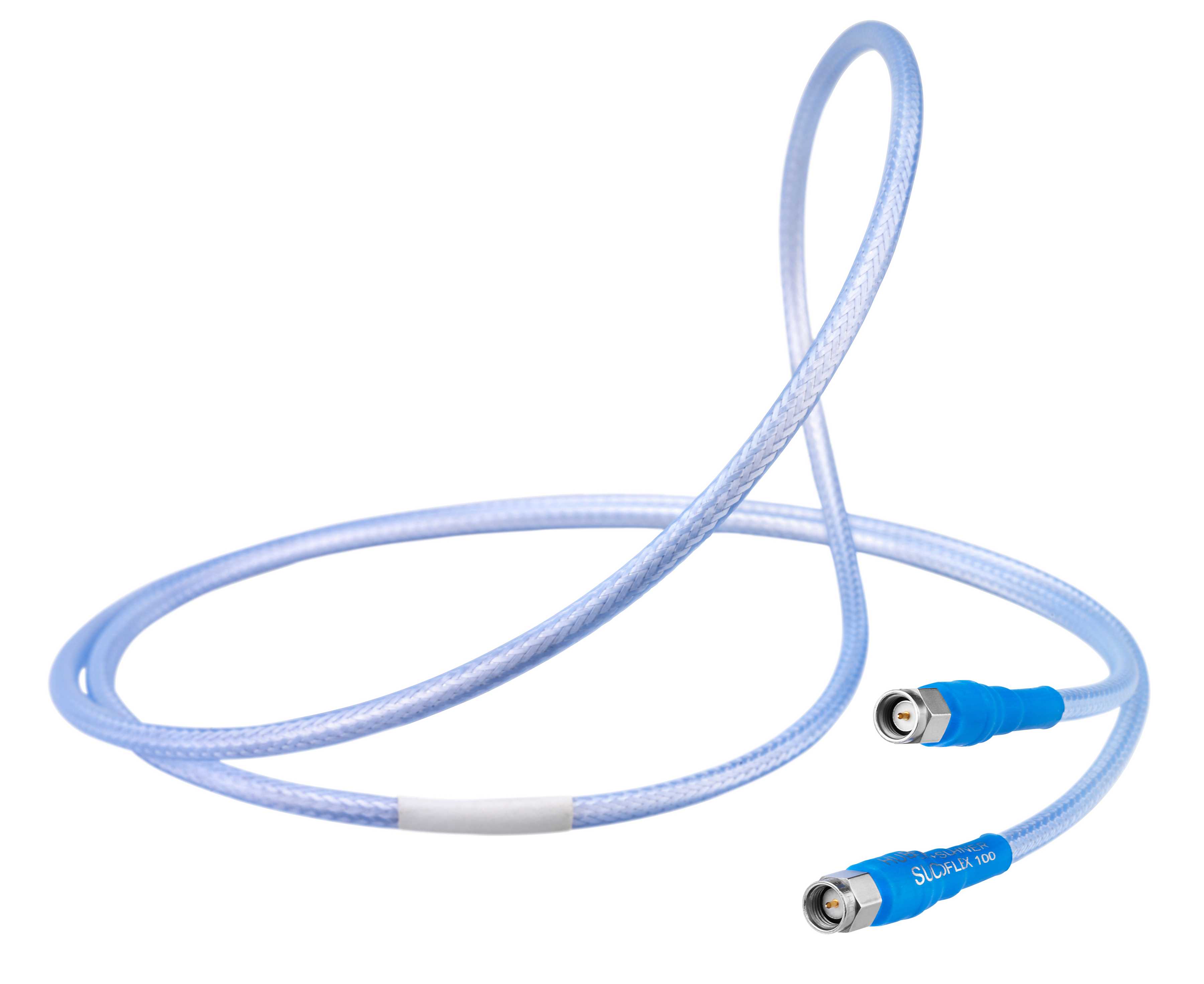
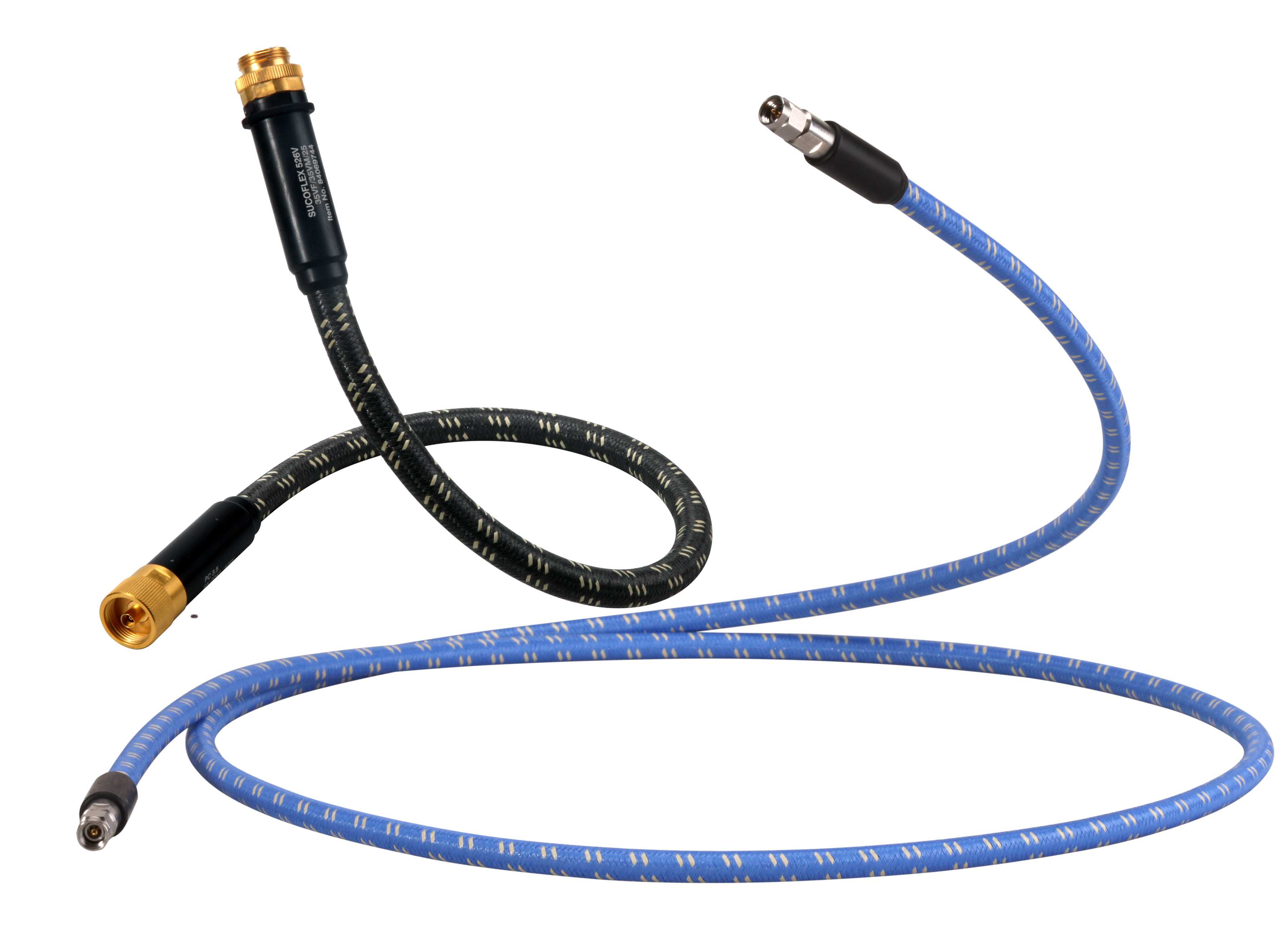
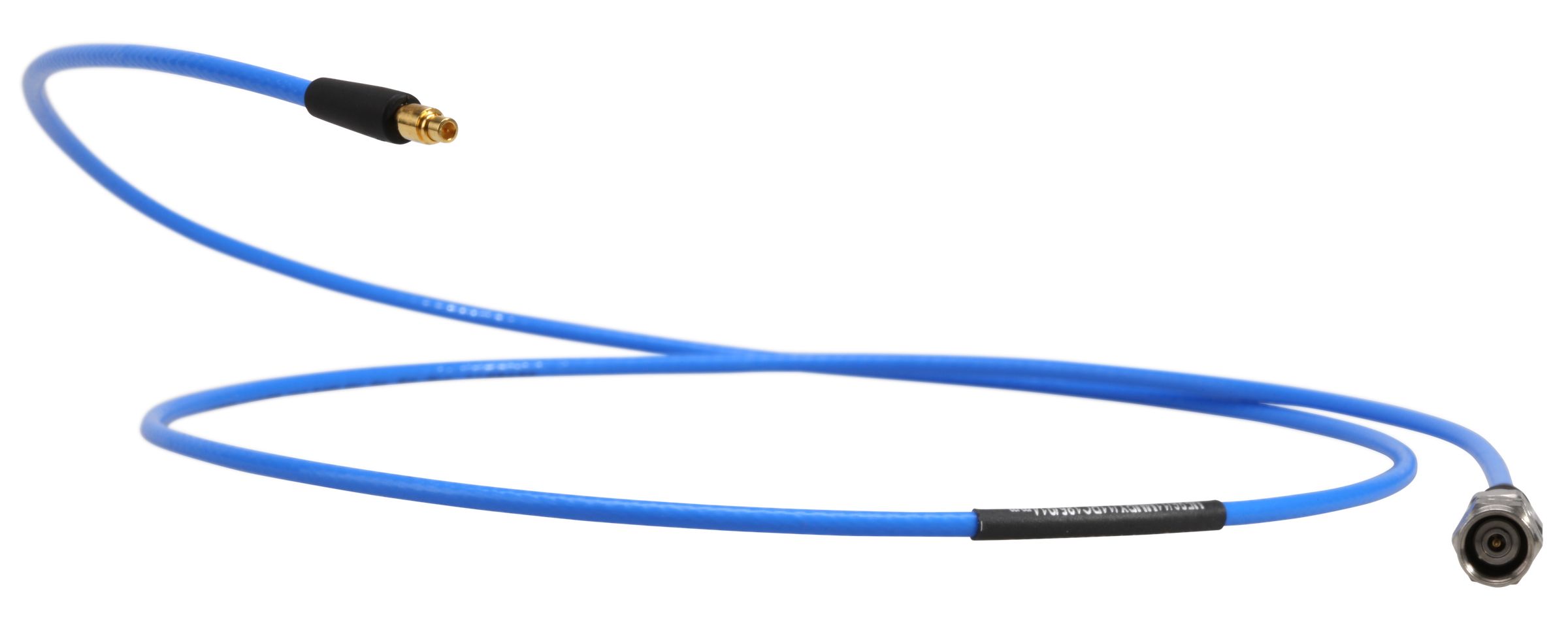
MINIBEND was developed specifically to eliminate these tradeoffs. Covering coaxial cable sizes from 0.063 inches (1.6 mm) up to 0.250 inches (6.35 mm), the portfolio offers engineers a wide range of mechanical and electrical options while maintaining a consistent design philosophy: maximize routing freedom without compromising performance.


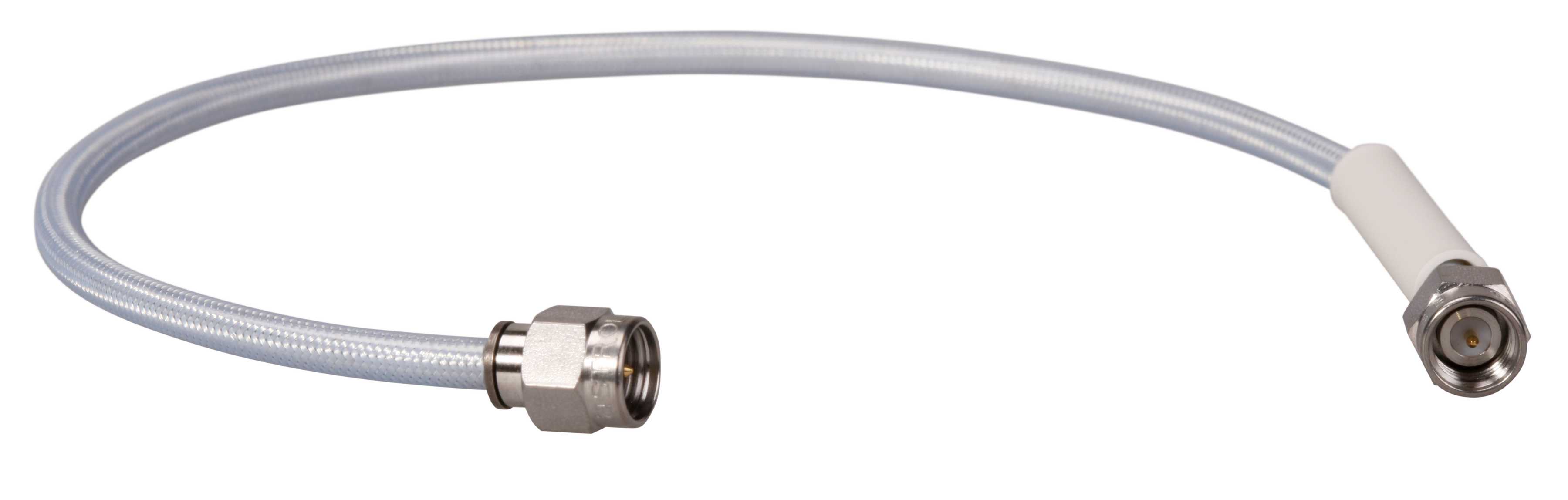
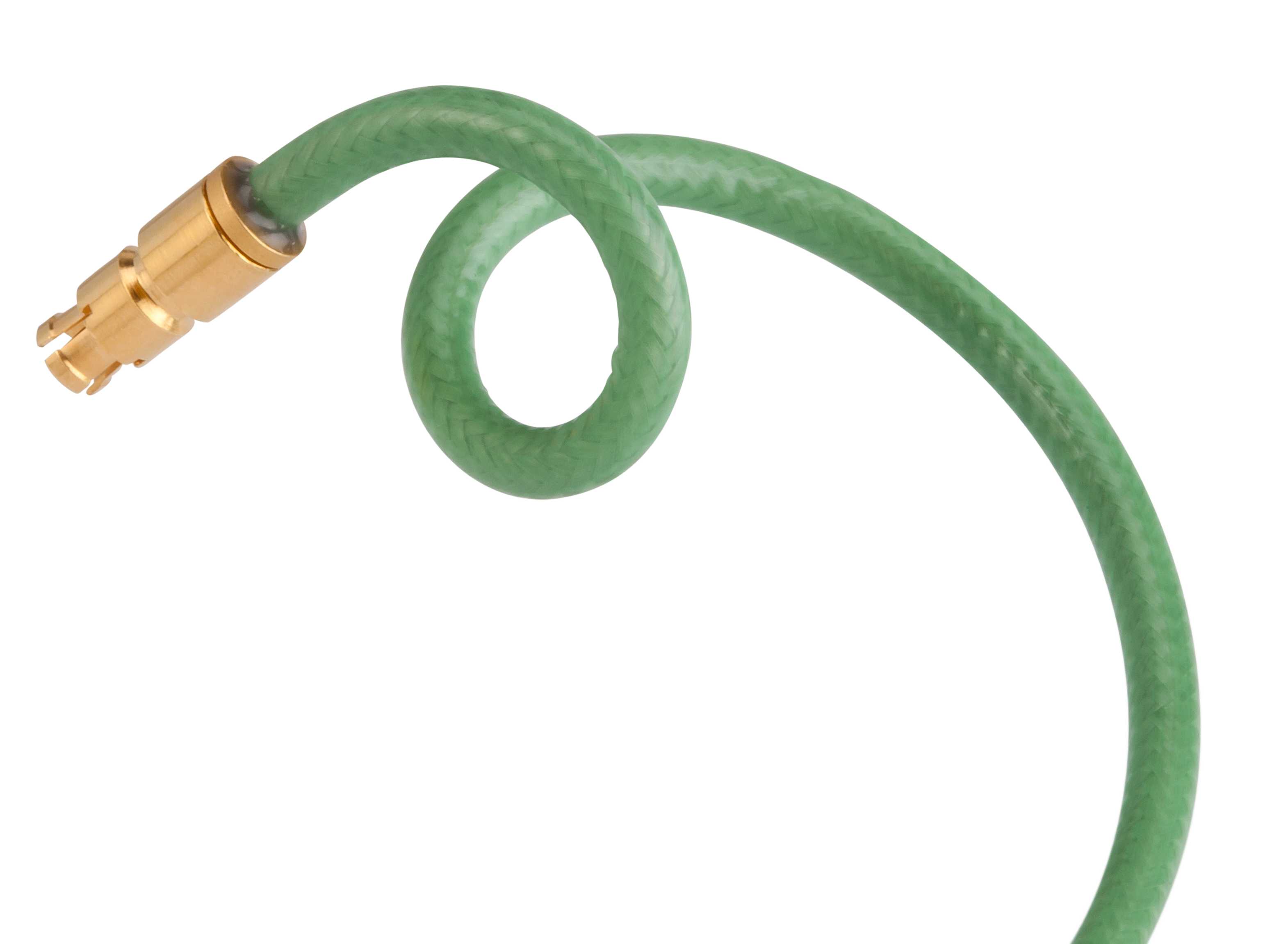
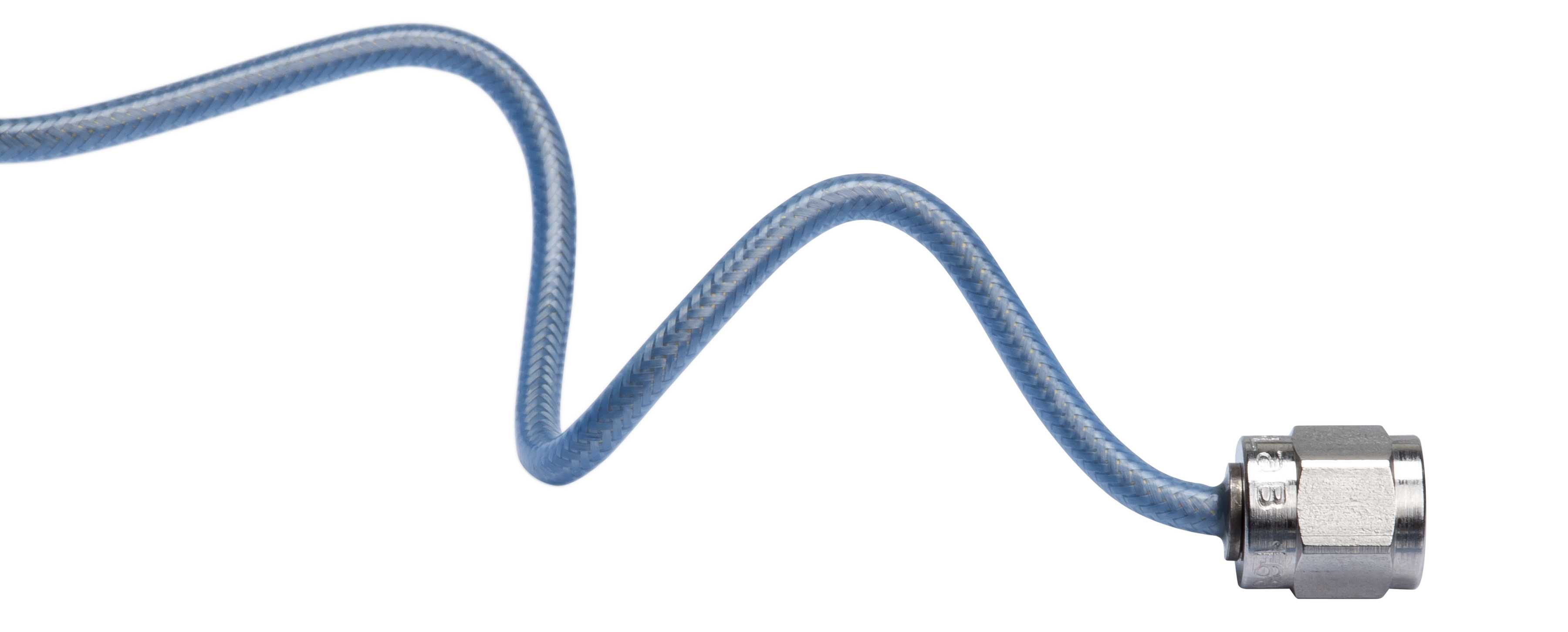
Bend to the end connector design is at the core of this approach. Unlike conventional assemblies, MINIBEND cables can be bent directly at the cable connector junction, eliminating the rigid transition zone typically required for solder joints and strain relief. Depending on the cable size, this enables minimum bend radii as low as 0.06 inches (1.52 mm), among the smallest in the industry.


HS RF Minibend CTR Cables & Cable assemblies 1
Engineering freedom, right to the end

Size and weight advantages for high density systems


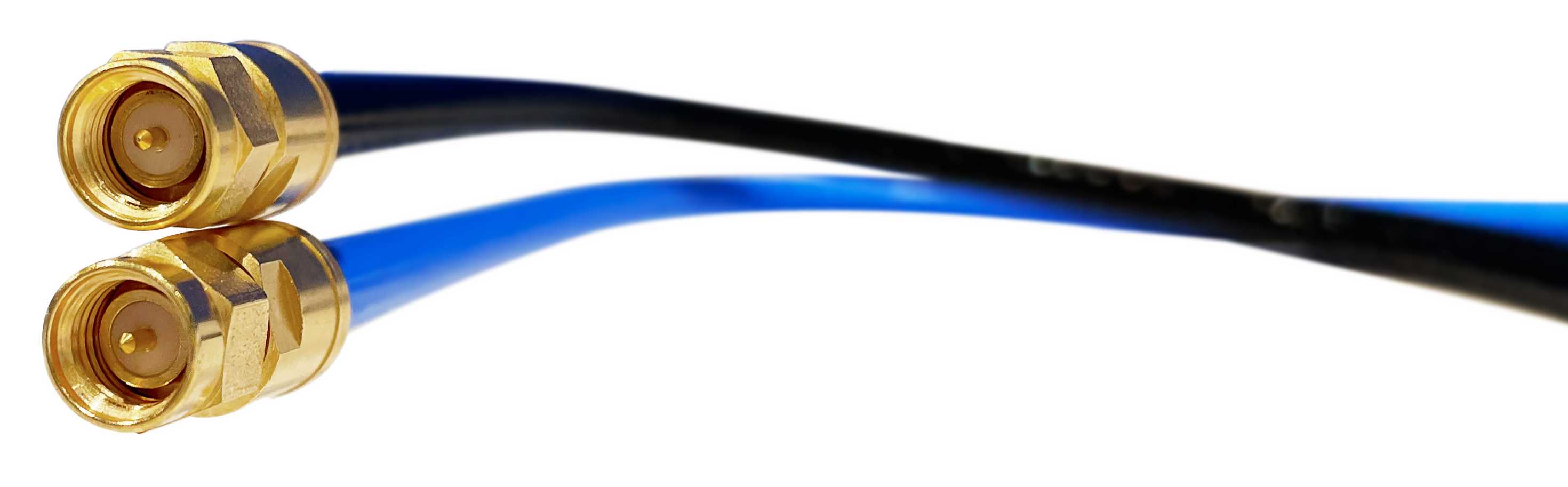
Size and weight remain dominant design drivers in modern RF systems, particularly in aerospace and defense platforms where SWaP C considerations are critical. In most cases, the bend to the end capability allows designers to eliminate bulky right angle or swept connectors entirely, replacing them with compact straight connectors—even in extremely confined layouts.


MINIBEND assemblies are lighter than comparable semi rigid solutions and feature a low profile construction with no taper sleeves and some of the shortest male connector designs available. This combination enables dense RF routing in applications such as avionics bays, satellite payloads, radar modules, electronic warfare systems, and high channel count test fixtures, where every gram and millimeter matters.

Performance without compromise


Mechanical and routing flexibility is one of the defining strengths of MINIBEND assemblies, but flexibility only matters if electrical performance is preserved. MINIBEND assemblies are engineered to deliver extreme bend capability without compromising RF integrity.


By enabling straight connectors in place of right angle designs, MINIBEND supports higher operating frequencies with improved insertion loss (IL) and voltage standing wave ratio (VSWR). Depending on the cable and connector combination, MINIBEND assemblies support frequencies up to 110 GHz, making them suitable for advanced radar, satellite, and high frequency test & measurement systems.


Reliability is equally critical. MINIBEND assemblies use a solderless cable junction design, that removes solder joints and strain-relief structures, which helps reduce failure risks under vibration, shock or thermal cycling. This not only enhances mechanical robustness but also ensures consistent electrical performance throughout the life of the assembly.

With stainless steel braided construction and being able to withstand up to 30 bends with no performance drops, it gives engineers greater confidence during installation, re-routing, and maintenance.


For phase critical applications, selected MINIBEND variants are available as low loss and highly phase stable assemblies, delivering excellent stability over temperature and flexure. These characteristics are particularly valuable in radar, phased array, electronic warfare, and precision instrumentation applications, where repeatable performance is essential.

Cost benefits across the lifecycle


Beyond size, weight, and performance, bend to the end technology also delivers measurable cost advantages. By eliminating right angle connectors and using a solderless termination process, MINIBEND lowers complexity, while removing labour-intensive soldering and X-ray inspection steps.

Also, as MINIBEND doesn’t require predefined bend geometries, engineers gain flexibility late in the design or integration phase, which reduces rework, scrap, and schedule risk. The result is a lower total cost of ownership across development, production, and operational lifecycles.

Proven heritage for mission critical applications


HUBER+SUHNER has a long standing reputation for delivering connectivity solutions qualified to stringent military and space standards. The MINIBEND portfolio benefits directly from this expertise, offering aerospace qualification heritage and demonstrated space flight heritage across multiple programs.

Typical applications include satellites, launch vehicles, airborne and naval defense platforms, and advanced RF test systems; environments where performance margins are tight and reliability is non negotiable.

HS RF Minibend Cables & Cable assemblies 8
Size and Weight advantages for high density systems
HS RF Minibend Cables & Cable assemblies 17
MINIBEND® cable assemblies

Engineering freedom, right to the end


The advantage of MINIBEND is clear; unmatched flexibility in both cable assembly configuration and application. With manageable coax sizes, durability through repeated bending, and frequency support up to 110 GHz, MINIBEND assemblies remove long standing constraints from RF system design.


With bend to the end technology, solderless connector design, and a proven heritage in aerospace and spaceflight applications, HUBER+SUHNER MINIBEND cable assemblies empower engineers to design with confidence. Right up to the very end of the connector.


Get in touch

Do you have questions?

We will gladly assist you. Send us a message or find your local contact:

languageLocations worldwide
See locations